© 2026 Rentokil Initial plc - All Rights Reserved
Nipah Virus: A concise guide for sharing safely
Nipah virus is a zoonotic pathogen, meaning it can pass from animals to humans and, in some settings, from person to person. It has caused outbreaks across parts of Asia and remains a public health concern due to its potential severity and lack of approved vaccines or specific antivirals. Public awareness, early detection, and strong infection prevention are key to reducing transmission.
What is the Nipah virus?
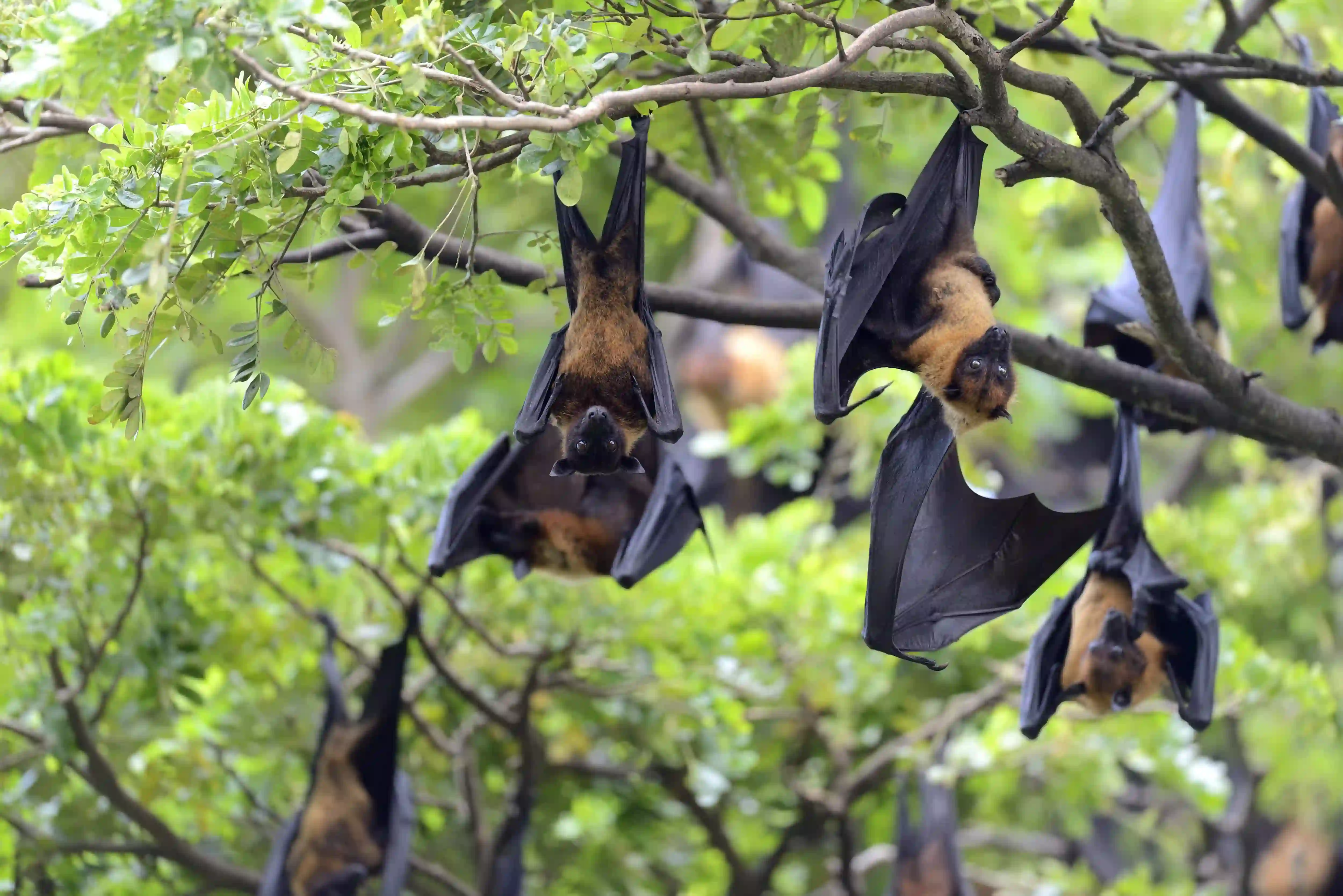
- Nipah virus is primarily hosted by fruit bats of the Pteropodidae family. It can spread to humans through infected animals or contaminated products, and under certain conditions, between people, especially in healthcare settings.
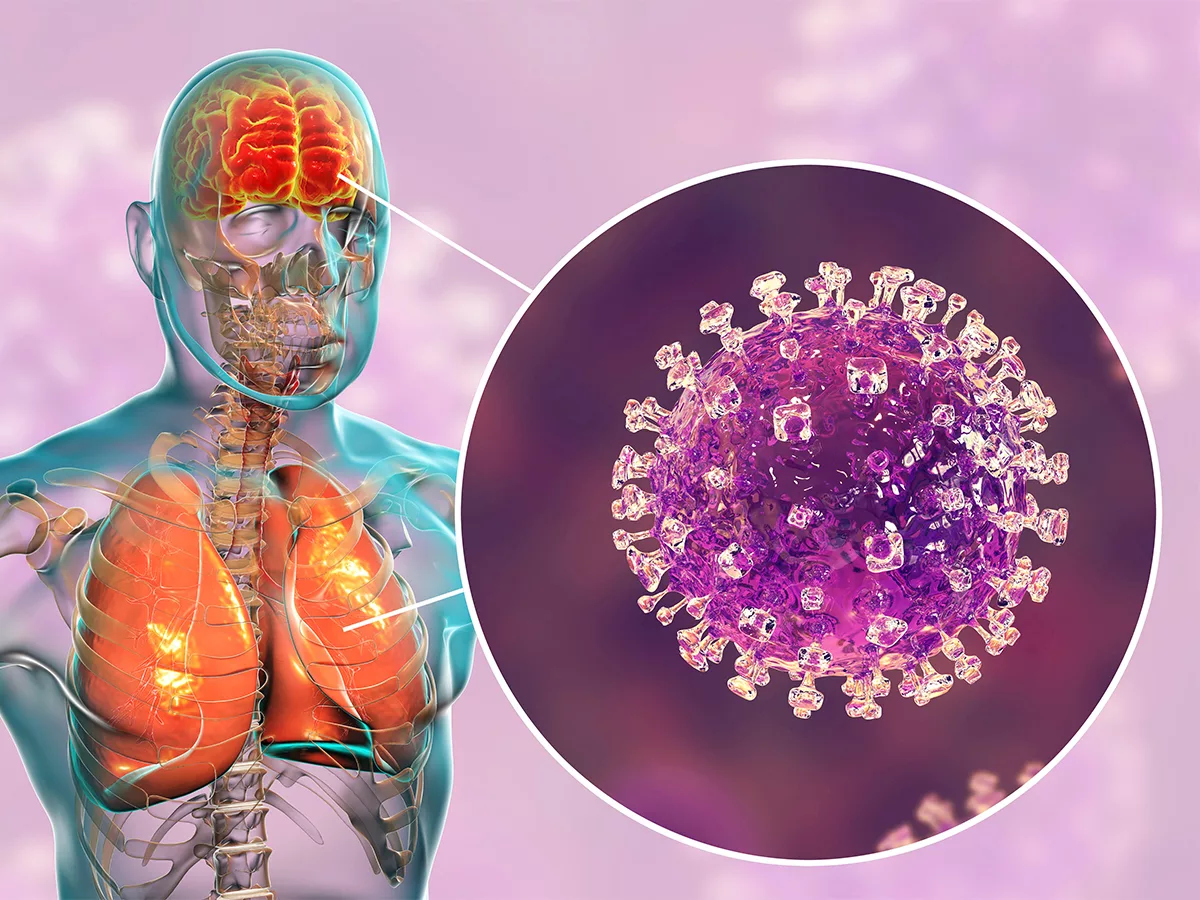
- Disease presentation ranges from mild fever and cough to severe forms such as encephalitis (brain inflammation) and pneumonia. Some infections may be asymptomatic.
- There are no approved vaccines or antiviral treatments for Nipah. Early supportive care (oxygen, fluids, nutrition, organ support, and management of complications) improves outcomes.
- Diagnosis is typically via RT-PCR testing of respiratory samples, blood, or cerebrospinal fluid, supported by antibody tests (ELISA) when appropriate.
Context from recent reports:
Airports in Thailand and Nepal have begun screening passengers from affected regions (e.g., West Bengal) as a precautionary measure to detect potential cross-border transmission.
Symptoms and high-risk areas
- Incubation period: typically 3–14 days, with rare cases up to 45 days.
- Common symptoms: fever, headache, dizziness, confusion, and respiratory symptoms such as cough or shortness of breath.
- Severe disease: encephalitis (brain swelling) and pneumonia; survivors may face long-term neurological issues.
- Transmission patterns: spread from animals to humans (via bats or intermediate hosts) and, in healthcare or close-contact settings, potential human-to-human transmission.
- High-risk regions and history: outbreaks have occurred since 1998 in Malaysia, Singapore, Bangladesh, India (including West Bengal), and other parts of Asia. Ongoing vigilance is important, especially in regions with close human–animal interfaces.
Prevention Guidance
Individuals and communities
- Avoid direct contact with bats and handling of bat waste or contaminated materials.
- Avoid consumption of raw date palm sap and unpasteurized/undercooked animal products.
- Practice good hand hygiene; use protective barriers (gloves, masks) when caring for sick individuals.
- Minimize close contact with people who are ill, particularly with fever or neurological symptoms.
- Seek timely medical care if you develop fever plus neurological or respiratory symptoms after potential exposure.
Healthcare and workplaces
- Implement strict infection prevention and control: proper hand hygiene, use of PPE, safe injection practices, and isolation of suspected cases.
- Maintain environmental cleaning and disinfection protocols, especially in facilities that care for suspected Nipah patients.
- Monitor contacts of confirmed cases and follow appropriate public health guidance for surveillance and testing.
Travel and community settings
- Stay informed of local public health advice when traveling to or living in areas with Nipah activity.
- Report animal deaths or unusual illnesses in animals to local authorities.
- Support community awareness campaigns and vaccination (where available) and follow guidance from health authorities.
Contact Information for Suspected Exposure
If you or someone you know may have been exposed to Nipah virus or develops compatible symptoms within the typical incubation window, contact local health authorities or a healthcare professional immediately.
- Local health department or district hospital: seek urgent evaluation and testing as advised by public health officials.
- National public health authority or disease control center: follow their guidance for testing, isolation, and contact tracing.
- World Health Organization (WHO) resources and guidance:
- Nipah virus fact sheet and updates: https://www.who.int/news-room/fact-sheets/detail/nipah-virus
- General emergency and outbreak information: https://www.who.int/emergencies
- For credible, up-to-date information on Nipah virus and travel advisories, you can also refer to the CDC Nipah information page: https://www.cdc.gov/nipah/index.html
Note: incubation is typically 3–14 days (rarely longer). If you develop fever with neurological or respiratory symptoms after potential exposure, seek medical care promptly.
The Experts In Infection Control Plan
The Infection Control Plan™ (ICP™) is an on-site service designed by Rentokil Boecker® to safely and effectively eliminate all microorganisms and provide a sanitised environment for working and living.
- Inspection And Technical Recommendations
- Customised Disinfection Treatments
- Laboratory Or On-The-Go Testing