© Rentokil Boecker 2024 - All Rights Reserved
Imagine ordering a flawless, medium-rare cut of meat. It looks perfect and smells savory, but hiding inside the muscle tissue—completely invisible to the naked eye—is a microscopic parasite: Trichinella.
Within 24 to 48 hours of eating infected meat, the first wave of consequences hits: nausea, abdominal pain, fatigue, and diarrhea. As the infection progresses over the following weeks, it becomes systemic, bringing severe muscle soreness, fever, headaches, and characteristic swelling around the eyes.
This is trichinellosis—an infection that proves even the most visually appealing dish can carry hidden risks.
What is trichinellosis, and how do we avoid it?
You acquire a trichinellosis infection by eating raw or undercooked meat harboring live Trichinella roundworm larvae. While historically associated with pork, modern cases are frequently linked to meat acquired from unapproved, unregulated suppliers, particularly wild game such as bear, wild boar, and walrus.
Preventing this infection requires a comprehensive, farm-to-table approach rather than relying solely on the cook. Controlling the risk demands strict food safety practices, trusted sourcing, and the consistent use of a reliable meat thermometer
Key Cooking & Processing Standards
-
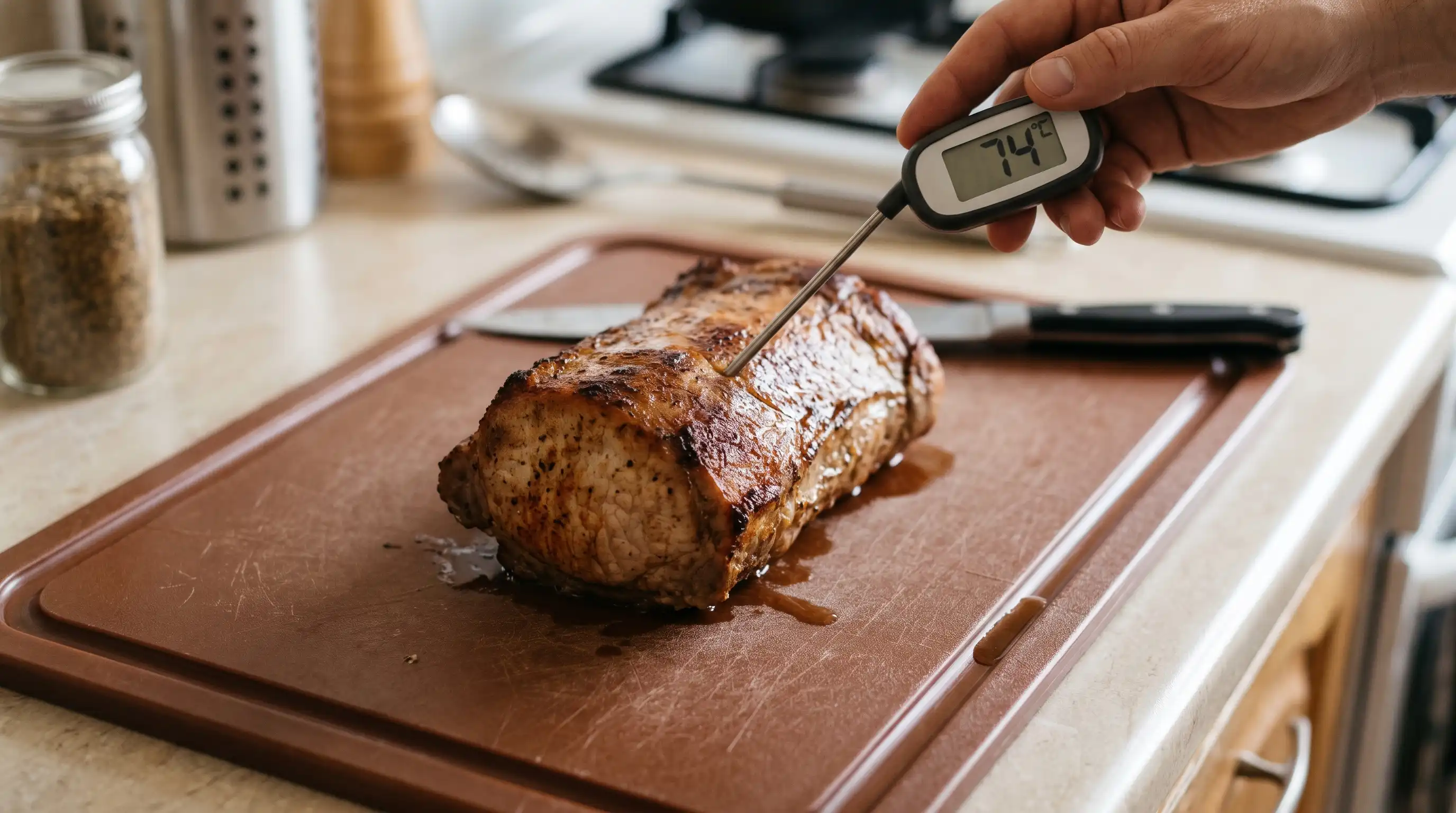
Cook to the right temperatures: Aim for an internal temperature of 74°C for maximum safety, or a minimum of 63°C followed by a mandatory three-minute resting period for whole cuts of meat.
- Use a thermometer: Always verify internal temperatures using a calibrated food thermometer. Never judge doneness by visual appearance or the color of the juices.
- Beware the freezing myth: While freezing can kill Trichinella in domestic pork, the strains found in wild game are often freeze-resistant. Thorough cooking is the only guaranteed safeguard.
Kitchen Hygiene & Cross-Contamination Prevention
-
Maintain strict sanitation: Keep preparation areas meticulously clean before, during, and after processing meat.
- Separate raw and cooked: Prevent cross-contamination by strictly segregating raw meat from cooked and ready-to-eat items.
- Sanitize your tools: Use dedicated utensils for raw meat, and consistently wash and sanitize all cutting boards, equipment, and food-contact surfaces.
Supply Chain Control & Sourcing
-
Source securely: Buy meat exclusively from approved, regulated suppliers. Rigorous meat inspection and targeted testing are critical components of an effective food safety management program.
- Control the process: Food safety is rooted in control rather than fear. Preventive measures must be embedded at every stage—from animal farming and slaughtering to procurement, storage, preparation, and service.
Rather than just reacting to suspected contamination, the goal of the food industry is to establish a robust, preventive framework that minimizes exposure risks before the product ever reaches a kitchen.
Ultimately, Trichinella highlights how food can appear wholesome while posing serious, invisible risks. Protecting public health requires science-based controls, trusted sourcing, accurate thermal processing, and continuous diligence across the entire food chain. When in doubt, trust your thermometer, not your eyes
The Experts In Food Safety
Rentokil Boecker® food safety consulting and training centres provide food hygiene training, inspection and consulting services recognized by the World's leading regulatory bodies.
- Food safety training
- Food safety consulting