© Rentokil Boecker 2024 - All Rights Reserved
Food Safety Is Not a Privilege — It’s Everyone’s Right
Food safety is not seasonal. It’s not age-dependent. It’s not gender-specific.
Yet, we’re seeing a worrying spike in food safety issues with food poisoning cases on the rise. And no, it’s not just bad luck. The culprits? A cocktail of climate change, failing infrastructure, and low public awareness about hygiene.
What Exactly Is Food Safety?
It’s the set of practices and conditions that ensure the food we eat won’t make us sick. It’s about keeping harmful bacteria, toxins, and contaminants out of our meals — from farm to fork.
Food Poisoning: More Common Than You Think
Food poisoning happens when you eat contaminated food. It doesn’t discriminate, it can strike anyone, anywhere, anytime.
Common symptoms include:
- Diarrhea
- Stomach cramps
- Nausea
- Vomiting
- Fever
Severe cases can lead to dangerous dehydration. Symptoms can appear within 1 to 36 hours and last up to a week.
If you experience these symptoms, it's crucial to drink plenty of fluids to prevent dehydration.

The Heat Factor: Why Summer Is Risk Season
Summer means barbecues, picnics, and outdoor feasts. But warm weather also means bacteria parties and they multiply fast.
The danger zone for bacterial growth? 5°C to 63°C. Within under two hours, food left out in the heat can become a breeding ground for Salmonella, E. coli, and Listeria.For example, it only takes about 1 hour and 40 minutes for a bacteria count to grow from 1,000 to 1,024,000 under ideal conditions.
Rule of thumb:
- Never leave food at room temperature for more than 2 hours
- In hot weather, cut that down to 1 hour
The 7-Step Safe Food Journey
1. Buy Smart
- Shop for groceries last, take them home immediately, and never leave them in the car.
- Check that chilled food is cold and frozen food is "rock-solid".
- Avoid dented cans or damaged packaging.
2. Store Safely
- Keep your refrigerator and freezer at the correct temperatures. Fridge: 1–4°C and Freezer: below –18°C
- Store raw meat on a tray on the bottom shelf of the fridge to prevent contamination. Always cover food and store cleaning supplies away from food.
3. Food Preparation
- Wash your hands frequently, especially after handling raw food or waste.
- Use separate, color-coded cutting boards and knives for different food types
4. Cook Thoroughly
- Heat to at least 75°C.
- Skip raw or undercooked eggs.
5. Reheat Right
- Above 75°C (preferably 82°C).
- Only once.
6. Cool Quickly
- When cooking in advance, divide large portions into smaller containers to help them cool down quickly.
7. Serve Fresh
- Use clean dishes and utensils for serving, and never leave food out for more than two hours.
Why It Matters
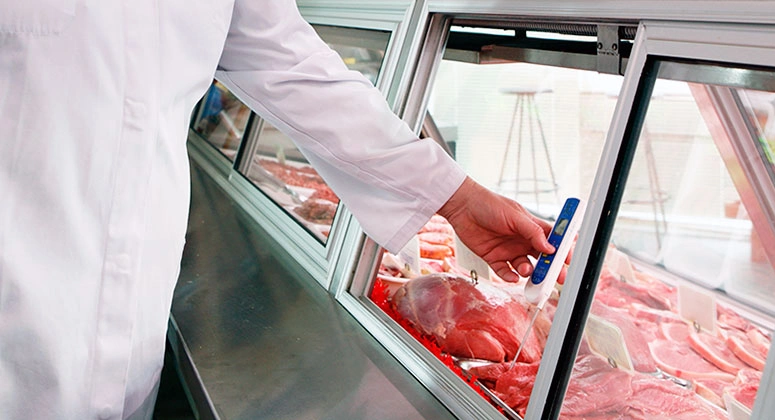
Practicing food safety saves lives. It prevents illnesses, reduces costly recalls, keeps businesses reputable, and maintains public trust in the food we eat. When dining out, always look for a symbol of trust, like a food safety certification or award.
Because at the end of the day — food safety is a right, not a privilege.
- Never leave food at room temperature for more than 2 hours
- In hot weather, cut that down to 1 hour
The Experts In Food Safety
Rentokil Boecker® food safety consulting and training centres provide food hygiene training, inspection and consulting services recognized by the World's leading regulatory bodies.
- Food safety training
- Food safety consulting